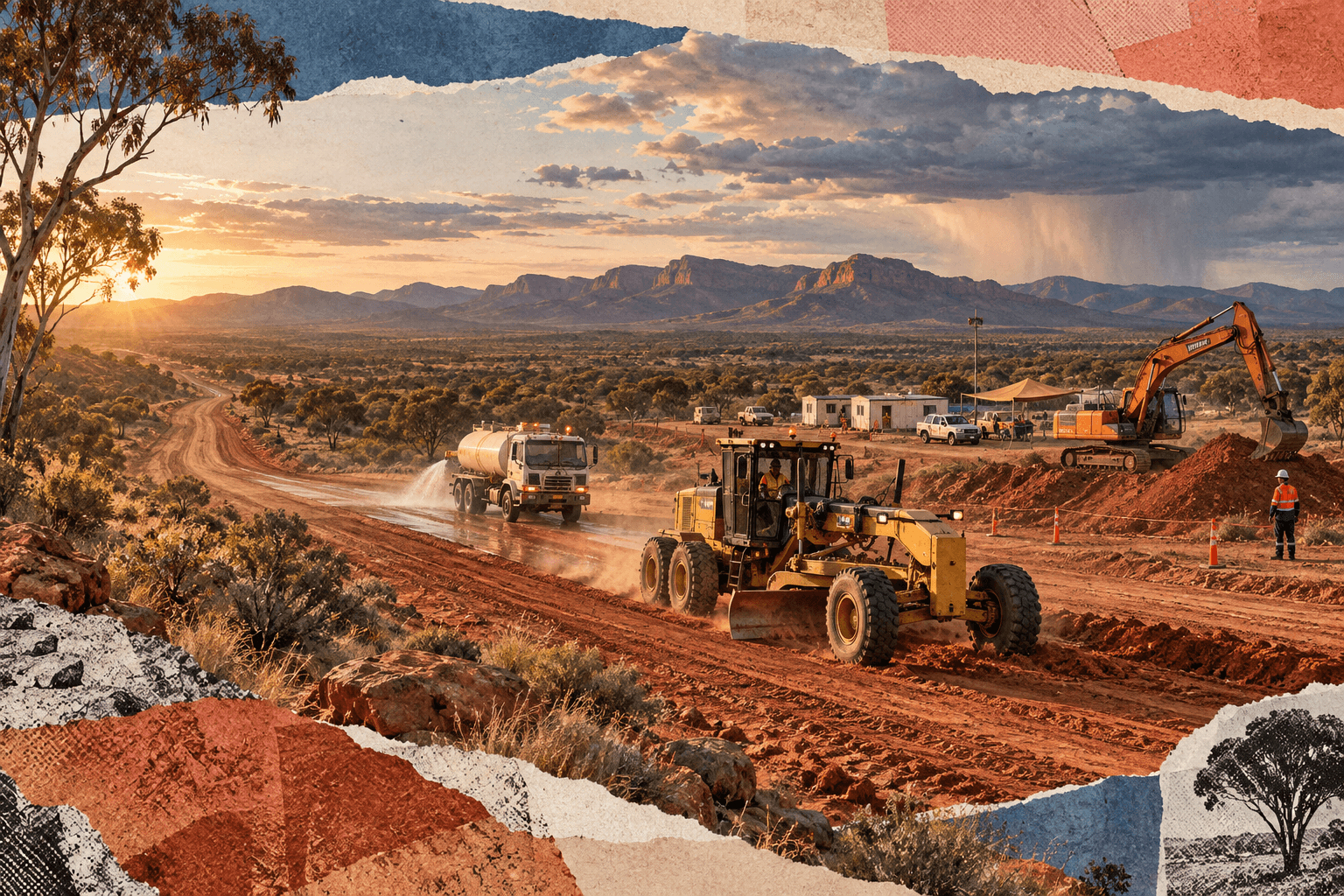
Gold Coast projects typically involve high-rise construction, civil construction, events, coastal maintenance. Restricted sites and busy roads make compact dimensions, delivery timing and traffic control especially important. Confirm where each machine will travel from and what mobilisation costs apply before comparing rates.
What shapes plant hire in Gold Coast
Coastal sands, canals and hinterland hills.
High-rise, light rail, residential estates and M1 upgrades.
Subtropical in the south-east, tropical in the north with a defined wet season and cyclone risk from November to April.
Restricted sites and busy roads make compact dimensions, delivery timing and traffic control especially important.
Typical plant hire jobs in Gold Coast
- High-rise construction
- Light rail and M1 upgrades
- Canal and waterfront works
- Northern growth-corridor estates
Gold Coast demand includes high-rise construction, civil works, landscaping, events, road upgrades and coastal maintenance.
Across Queensland more broadly: Black-soil and reactive clays are widespread inland; coastal areas include acid sulfate soils and high groundwater that affect excavation and dewatering. Wet-season rain and cyclone preparations can halt northern earthworks; plan dewatering, tie-downs and longer mobilisation windows.
Suppliers servicing Gold Coast commonly also cover Nerang, Coomera, Yatala, Tweed Heads. If your site is on the edge of a supplier’s area, ask whether travel is charged as a fixed fee or per kilometre.
Checklist for a Gold Coast hire
- Access: gate, unloading point, turning, overhead services and route to the workface.
- Ground: surface, bearing capacity, gradient, recent rain and rock or groundwater.
- Movement: delivery window, traffic control, escorts and permits (Oversize and overmass movements are permitted through the NHVR, with Department of Transport and Main Roads consent on state roads).
- People: inductions, White Cards, licences and site contact. WHS regulator: Workplace Health and Safety Queensland.